
Bio Diesel Plant
Bio Diesel Plant Manufacturer in India
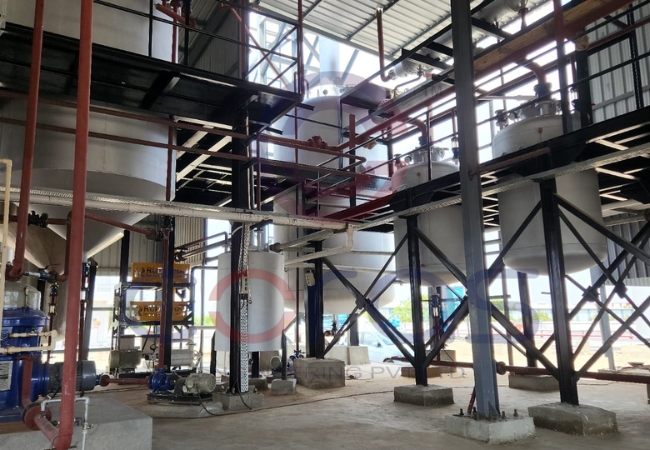
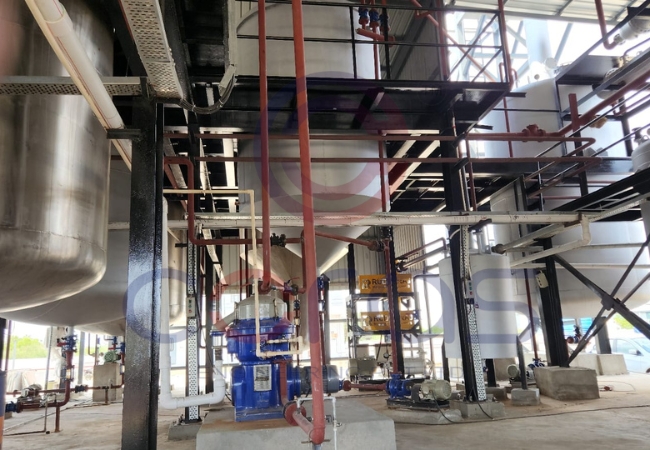
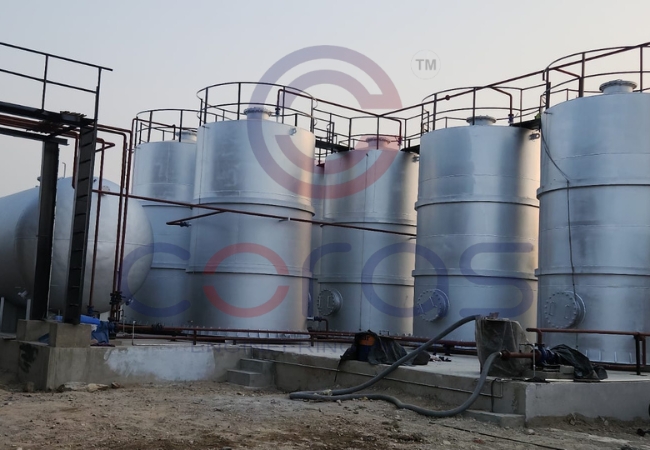
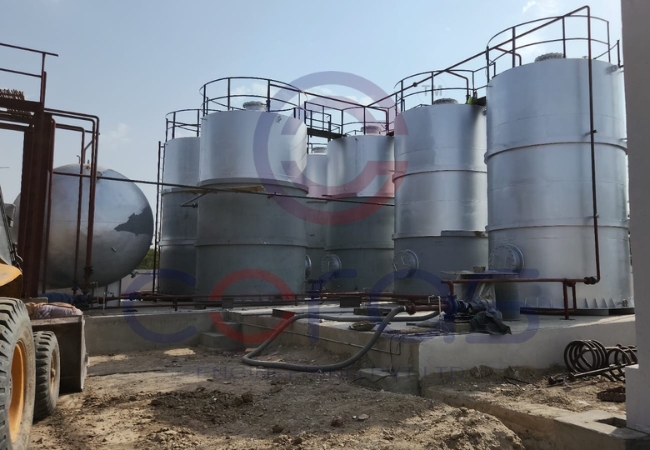
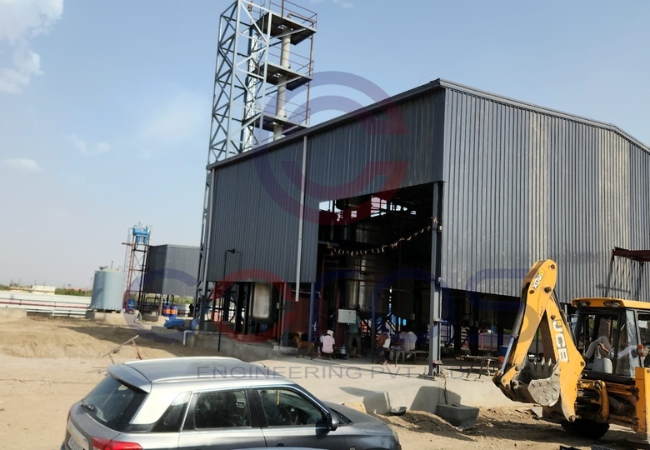
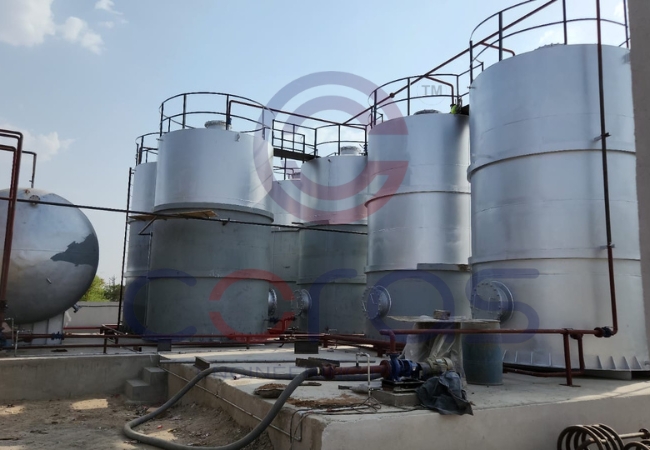
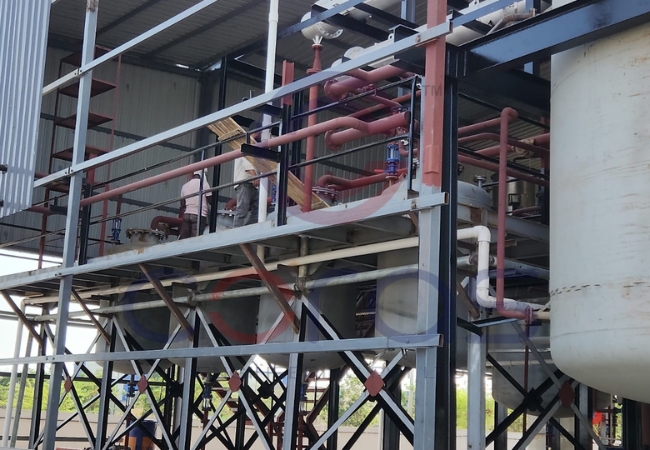
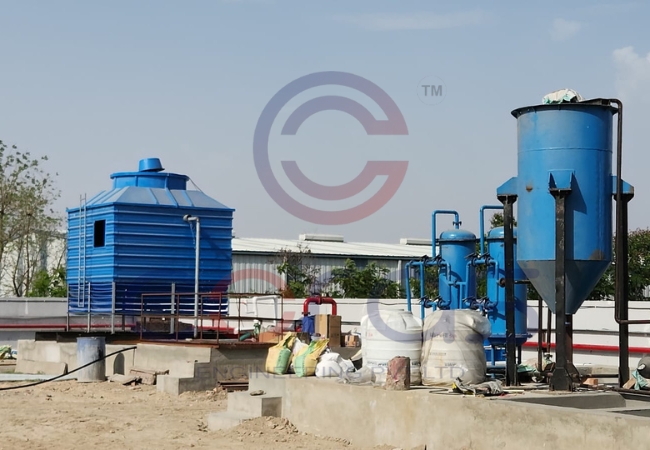
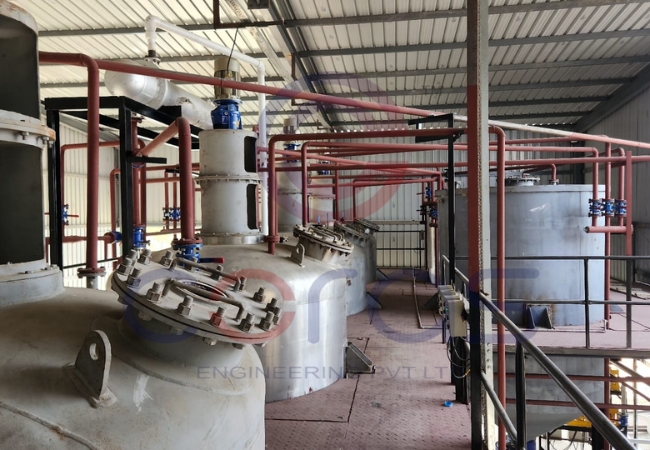
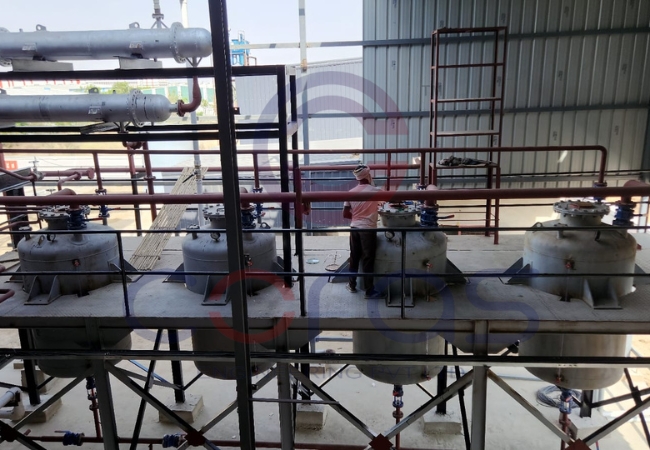
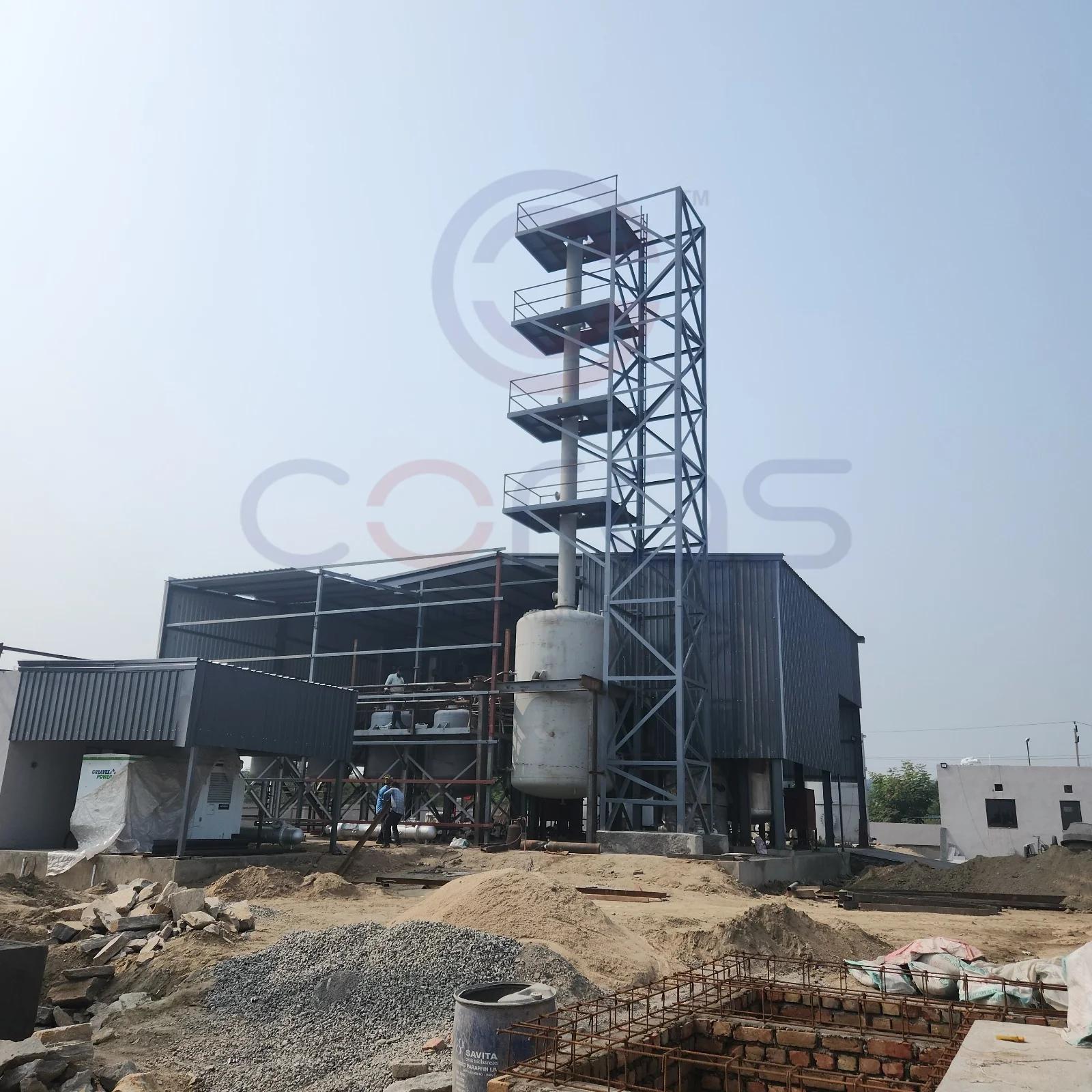
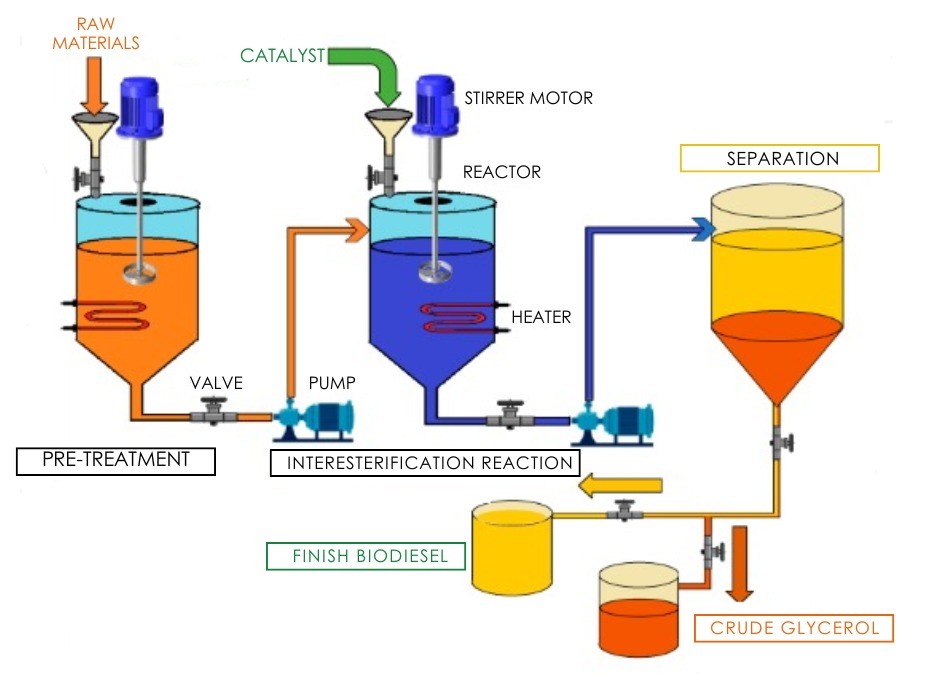
Coras Engineering Pvt Ltd is a leading manufacturer and supplier of Biodiesel Production Plant in Ahmedabad, Gujarat, India. Biodiesel is a renewable, biodegradable fuel manufactured domestically from used cooking oil, vegetable acid oils, and tallow. The process of converting these oils into biodiesel is known as transesterification. And this biodiesel can be used in engines and vehicles. Biodiesel meets both the biomass-based diesel and overall advanced biofuel requirement of the Renewable Fuel Standard.
Raw Material of Biodiesel
Animal tallow, Acid Oil, Use cooking Oil, Palm Stearin, Non-Addable Oil, Karanja Oil, sunflower oil, coconut oil, camelina oil, Algal oil, Jatropha, Pongamia.
Finish Product
Biodiesel B 100, Glycerol and Methanol.
Benefits of Bio Diesel
- Biodiesel is not only biodegradable but also a non-toxic fuel.
- Its formation is from renewable resources.
- Biodiesel is a renewable fuel that has the potential to displace imported petroleum and save foreign currency.
- It can be grown, produced, and distributed locally.
- It improves the fuel economy.
- Biodiesel helps to remove the unwanted particles of air and improve its quality.
- It is used as a cleaner for biofuel refineries.
BIO DIESEL PROCESS CHART
Key Benefits
Why Invest in a Biodiesel Plant?

Renewable & Sustainable Fuel Production
Produce clean-burning biodiesel from vegetable oils, used cooking oil, animal fats, and other renewable feedstocks.
Reduced Carbon Emissions
Biodiesel significantly lowers greenhouse gas emissions and helps industries meet environmental and sustainability goals.

Lower Operating Costs
Utilization of waste oils and locally available feedstocks reduces dependency on conventional fossil fuels and lowers fuel costs.

Additional Revenue from By-products
Biodiesel production generates valuable by-products such as glycerin, which can be sold to pharmaceutical, cosmetic, and chemical industries.

Environment-Friendly Process
Biodiesel is biodegradable, non-toxic, and produces fewer pollutants such as sulfur oxides, particulate matter, and carbon monoxide.

High Return on Investment (ROI)
Growing demand for renewable fuels and government incentives make biodiesel production a profitable business opportunity.

Waste-to-Wealth Opportunity
Convert used cooking oil and waste fats into valuable biodiesel, supporting circular economy initiatives.

Compliance with Renewable Energy Policies
Meet national and international renewable energy mandates and blending requirements.

Energy Independence
Generate domestic renewable fuel and reduce reliance on imported petroleum products.
Why Biodiesel ?
Biodiesel is a renewable, cleaner-burning alternative to petroleum diesel, offering significantly lower greenhouse gas emissions, superior engine lubrication, and compatibility with most existing diesel engines without major modifications.
Biodiesel is a domestically produced, renewable substitute for petroleum diesel. Using biodiesel as a vehicle fuel improves public health and the environment, enhances safety, and contributes to a resilient transportation system. Biodiesel contains virtually no sulfur, reducing sulfur oxide emissions. Biodiesel provides a 56-96% reduction in greenhouse gas emissions compared to petroleum diesel.
Biodiesel in its pure, unblended form causes far less damage than petroleum diesel if spilt or released to the environment. It is safer than petroleum diesel because it is less combustible. The flashpoint for biodiesel is higher than 130°C, compared with about 52°C for petroleum diesel. Biodiesel is safe to handle, store, and transport.
Reduced Toxic Emissions: Compared to petroleum diesel, biodiesel reduces harmful pollutants like particulate matter (by ~47%), unburned hydrocarbons (by ~67%), and carbon monoxide (by ~48%).
Lower Sulfur Content: It is naturally low in sulfur, virtually eliminating the emission of sulfur oxides (SOx), which are a major cause of acid rain.
Biodegradability and Non-Toxicity: Biodiesel is essentially non-toxic and biodegrades four times faster than petroleum diesel, making it safer for use in sensitive areas like waterways.
Improved Air Quality
Benefits to the G20 Summit and Global Goals :
- Acceleration of Net-Zero Targets: The GBA aims to accelerate the global adoption of biofuels, which the International Energy Agency (IEA) reports must triple by 2030 to reach net-zero emissions by 2050.
- Global Collaboration and Standards: The GBA fosters collaboration between the world’s largest biofuel producers and consumers—the U.S., Brazil, and India—to set global standards, share technology, and build a robust market.
- Strengthening the “Voice of the Global South”: India’s initiative as G20 President highlights a practical, action-oriented approach to climate change that benefits developing nations through sustainable technology transfers.
- Sustainable Infrastructure & Trade: The GBA provides a virtual marketplace to connect technology providers with end-users, strengthening the global supply chain for sustainable fuels.
- The Global Biofuel Alliance launched at the G20 this year, intending to boost supply and demand for biofuels.
- Biofuels are made using organic materials and offer a lower-emissions fuel option for many forms of transport.
- The World Economic Forum is a member of the Global Biofuel Alliance, and its report on Fostering Effective Energy Transition highlights how countries such as Brazil are using policies to expand biofuel use.
Purchase Policy
- Feed-stock Focus: Priority is given to biodiesel produced from Used Cooking Oil (UCO) and non-edible oils to avoid competition with food resources.
- Procurement Mechanism: OMCs (IOCL, BPCL, HPCL) use an Expression of Interest (EoI) process to register suppliers, requiring BIS-certified (IS 15607) biodiesel.
- Targets: The goal is a 5% biodiesel blend in diesel by 2030, with interim annual goals. Now 0.5 to 0.6% Blending.
- Support & Incentives: The government has reduced GST on biodiesel for blending to 5% and offers long-term offtake agreements to encourage investments in production facilities.
- You have to sell After Market like, Genset, Boiler, Mining, Havy Transport Equpments.